 Richard Pikmets
I wouldn’t start with the question “Google or Meta?”, but with whether people are already looking for your solution or whether you first have to create their attention and interest. A channel is a tool. First you have to decide what its role is.
In short
Google Ads
Strong when people are already expressing a need or purchase intent through their search.
Meta ads
Strong when you need to win attention, create interest or explain something visually.
Both
Useful when each channel has a different, measurable job in the buying process.
Choosing a channel is easiest when you start from buying behaviour. When someone actively searches for “accounting services in Tallinn”, the situation is different from a product whose need first has to be shown with a video or visual.
The shortest answer
I’d start with Google Ads if…
- people are actively searching for the product or service;
- the search has clear purchase or enquiry intent;
- you have a landing page that matches the specific search.
I’d start with Meta if…
- interest has to be created before people actively search;
- the offer needs to be shown visually;
- you can regularly test new creative.
Google Ads: people tell you what they want
The big advantage of a Search campaign is intent. When someone searches for a specific service or product, your ad can respond to an existing need. That doesn’t mean Google is always better: if search volume is small or the category isn’t well known, Search can’t create endless new demand.
Meta: the ad has to create its own reason to stop
A Meta ad appears in someone’s feed between other posts. That’s why creative, the first second, visual context and a clear offer play a bigger role. People didn’t come to Facebook or Instagram looking for your service.
If the first question in Google Search is “what is the person searching for?”, on Meta I first ask “why should the person stop at this ad?”.
Richard Pikmets
When should you use both?
Both can work together if each has a clear job. Meta can introduce the offer or create interest; Google reaches the person later, when they’re actively searching. Remarketing can help both channels get back in touch with users who have already shown interest.
That doesn’t mean every business should use both channels straight away. If the budget is limited, splitting it between two channels can leave both with too little data. In that case, I prefer to start with the channel that has the clearer hypothesis and a measurable result.
Five questions to help you choose a channel
- Is there enough search demand on Google for your service or product?
- Does the purchase decision start with an active search or with inspiration?
- Do you have good photos, videos or other creative?
- How quickly can you tell whether a lead or purchase was good quality?
- Does the budget allow you to test both channels at once with enough data?
Don’t compare channels on last click alone
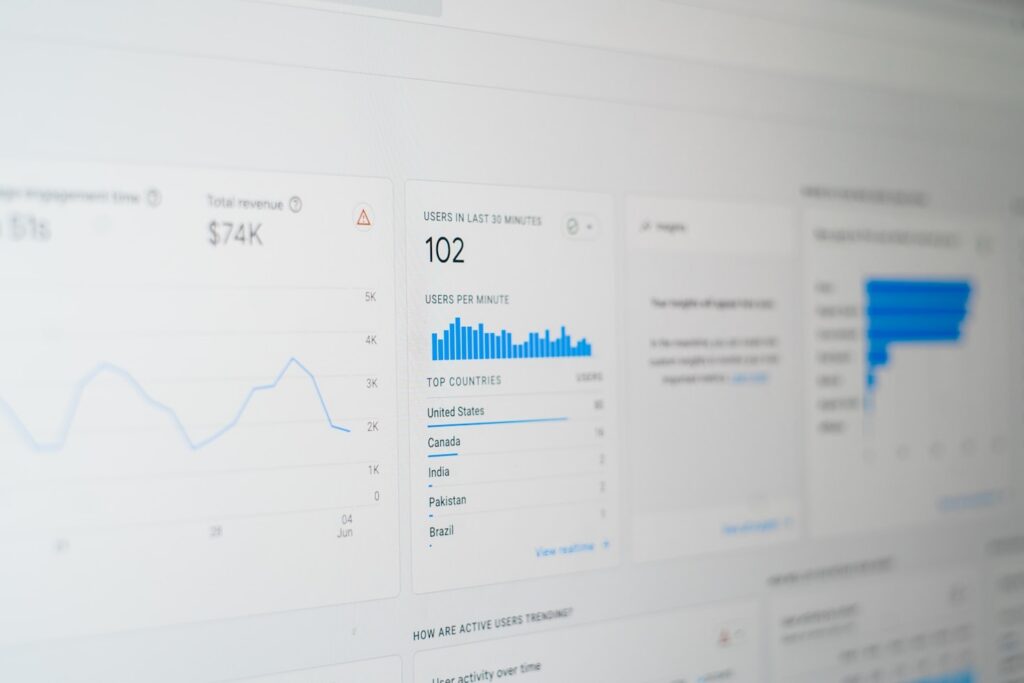
Meta can influence someone who later buys through Google. Google may get credit for the result through a brand search, even though the interest started elsewhere. So alongside the platform’s own report, it’s worth looking at GA4, real sales data and the whole buying process.
If you need help running these channels, see Google Ads management and Meta ads management.
Google Ads
When people are already searching for your solution and you want to reach those who are looking.
Meta ads
When you need to create interest with creative, show your offer and test new audiences.